When Life Feels Out of Balance
Why a Reset Could Be Exactly What You Need
Have you ever been going about your day or week feeling like everything is flowing, only for things to suddenly shift and leave you feeling off balance?
You’re tired more often than usual, even though you once had plenty of energy. Lately, you haven’t been feeling like yourself. Your mind feels scattered, jumping from one random thought to the next. Everything seems urgent, and you’re not sure where to begin putting the pieces back together. More than anything, you just want to feel normal again—returning to that peaceful, flowing rhythm.
All too often, life seems to serve up challenge after challenge—catching you off guard and most of the time—without warning—leaving you feeling out of alignment and off balance.
These are the subtle signs you need a reset—and once you recognize them, it becomes more than just a casual thought. It becomes a necessary adjustment to restore clarity, order, focus, and a peace of mind — bringing you back to your center.
Life Lately: A Glimpse Into My Reset Season
Life lately has truly been a season of transition — shifting daily routines, adjusting to new schedules, navigating through a new normal, and learning to give myself permission to begin again. This reset journey hasn’t been perfect, predictable, or easy, but it has been necessary. It has pushed me to pause, reflect, and make choices that honor where I am in this chapter of my life.
This season has also required complete honesty with myself — slowing down when needed, choosing what best supports my well-being, and reconnecting with parts of myself that I had missed for quite some time. I’m now rebuilding from a place of intention rather than pressure, and that shift alone has changed everything for the better.
If you’re navigating your own reset season, I hope this reminds you that you’re not alone.
Here’s a short glimpse into what my reset has looked and felt like recently:
This moment may be simple, but it captures the essence and realness of where I am right now — rebuilding, realigning, and creating a life that feels balanced, grounded, and true to who I’m becoming.
If you’re in your own reset season, I hope you take this as your reminder:
- You are allowed to slow down.
- You are allowed to start over.
- You are allowed to release what no longer serves you.
- You are allowed to make the necessary changes that bring you back into alignment.
- You are allowed to rebuild your life from a place of peace, clarity, and intention.
And with that, let’s walk through the steps that will help you move from overwhelm to clarity — the same steps you can use to begin your own reset.
Let’s Get Started

In this guide, we’ll walk through 5 practical steps to help you reset and rebuild your life starting today. From organizing your physical and mental space to restoring your natural daily rhythms and routines, my hope is that these steps will allow you to regain balance and begin living from a place of purpose, peace, and confidence—where you’re not only surviving, but thriving.
Step One: Identify What’s Not Working
What Can You Do Without —Let Go of What Doesn’t Serve You
When a reset becomes necessary, the first thing you should do is reflect on the different areas of your everyday life. Begin taking inventory—your physical and mental health, your relationships, your leisure time, your finances, and your spiritual well-being. Taking inventory allows you to identify what’s working in your life and what’s not. When something consistently keeps you in a state of chaos or distress, that’s your sign that something needs to change.
What It Looks Like When Your Life Needs a Reset
Resetting could look like restructuring your evenings so you’re not staying up late and waking up groggy. It may mean cooking more meals at home instead of eating out, surrounding yourself with people who uplift you, or finally choosing to put yourself first when it comes to your own happiness.
A reset can also involve becoming more intentional with your money—cutting back on spontaneous retail purchases and saving a little more each month. It can also mean focusing on your spiritual well-being and allowing that connection to become an essential part of your everyday life through prayer, meditation, and quiet reflection. These practices can bring peace, clarity, and comfort when life starts to feel out of balance.
How Your Choices Shape Your Well-Being
The choices you make each day are a direct reflection of where you are in life and how you feel about yourself. Be mindful of them, because when they are not made with intention, they can slowly build stress and overwhelm in your daily routine.
Identifying what’s not working is not about being hard on yourself. It’s about being honest. It’s recognizing how your habits, relationships, and daily decisions have been affecting your energy and confidence.
When you become aware of what needs attention, you gain the clarity to shift everything. From there, you’re able to begin making intentional changes that truly help you reset, rebuild, and get back on track.
Step Two: Organize Your Home, Work Space & Digital Life
Bring Clarity To Your Environment
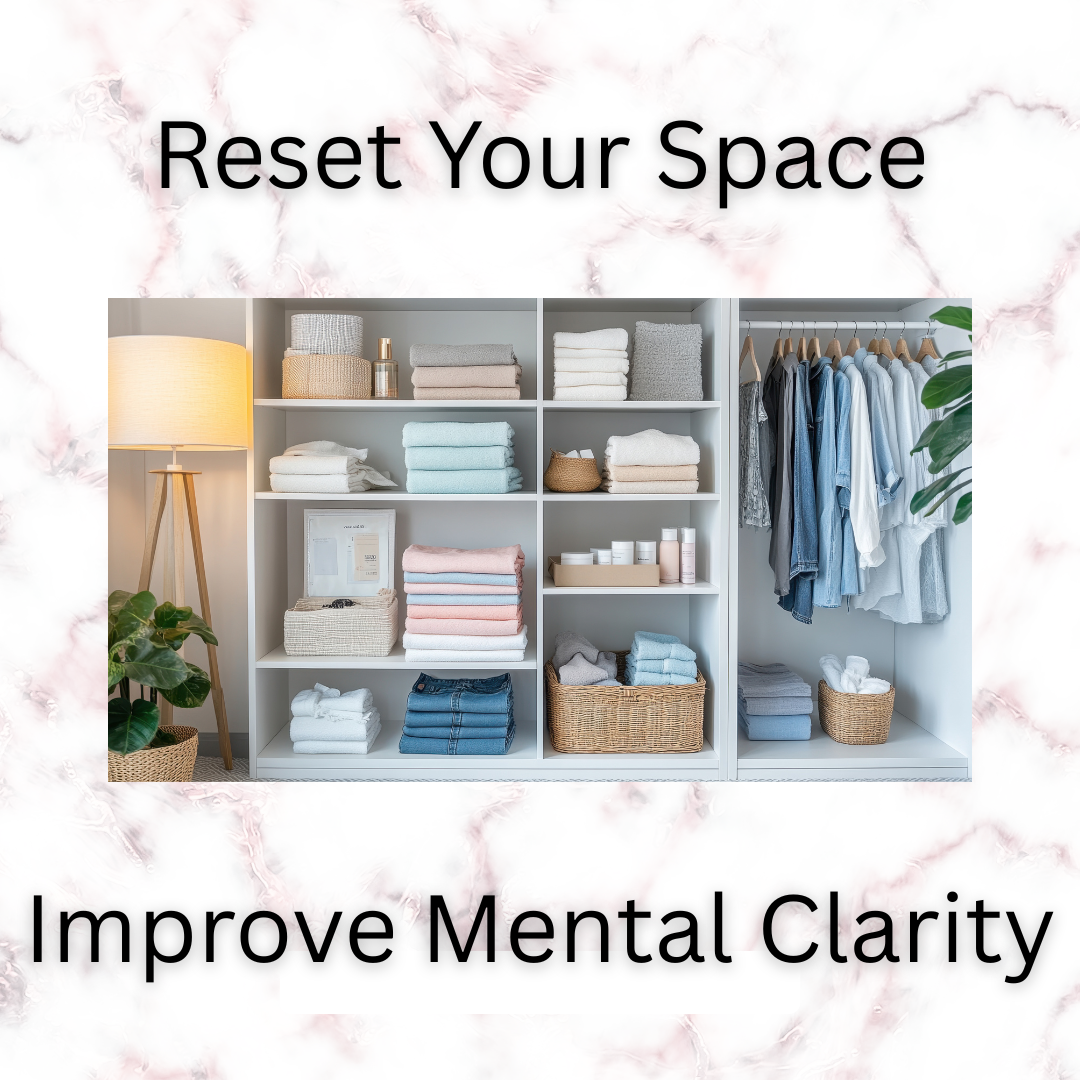
One way to quickly reset and refocus is by simply cleaning and tidying up your space. Choose one or two days each week to focus on organizing your environment. This could mean decluttering drawers, clearing busy countertops, or giving neglected areas a little attention. Simple tasks like these create an instant sense of calm and clarity —all you need for a true reset.

Work spaces are another area that can quickly become unorganized, especially if you work from home. Paper files, old to-do lists, and random notes all seem to keep your desk cluttered and lacking order.
Regain your mental clarity by tidying up first thing in the morning before your workday begins. At the end of the day, stay a few minutes longer to clean and organize your space, and create a simple to-do list to help you stay on track for tomorrow.

In the midst of keeping your physical space organized, don’t forget about your digital life—the part of your environment that follows you everywhere. Pressing emails, old subscriptions, forgotten text messages, and outdated contacts all add up to digital clutter. Staying on top of this task allows you to lighten your load and free your mind for greater mental clarity and focus.
Don’t Forget About Your Personal Space
Your personal space—like your closet, your makeup drawer—your purse or shoe collection—plays a major role in how confident and put together you feel each day.
When these areas become cluttered and unorganized, it doesn’t just create physical chaos, it also creates mental stress. Decision fatigue sets in, making it harder to show up as your best self. With too many options and no real order, you’re left feeling overwhelmed and unsure about what to keep, what to toss, and what to donate.
To minimize these feelings, dedicate a day or afternoon to decluttering and reorganizing. Let go of pieces that no longer serve you or make you feel your best. Create space for items you absolutely love, and consider putting together a few “instant outfits” so when it’s time to get ready, you can step out quickly and confidently—looking and feeling your best without the extra stress.
Helpful Tools For Organizing Your Space
Clear Drawer Organizers—Perfect for decluttering bathroom drawers, kitchen tools, or office supplies.
Closet Storage Bins—Keep clothes, shoes, and accessories neat and easy to access without the clutter.
Desk File Organizer—Stay organized with a clean and tidy workspace for greater productivity.
External Hard Drive—Back up files and free up digital space for peace of mind.
Step Three: Declutter Your Mental Space
The Power of a Brain Dump
Just like how your physical environment becomes cluttered and unorganized, your mental space can also become overwhelmed. When this happens, it’s difficult to think clearly and stay focused.
Decluttering your mental space means letting go of negative thought patterns, old belief systems, and those not-so-fond memories that keep popping up and replaying over and over—leaving you weighed down, stuck, off balance, and out of sync in your daily life.
Journaling As A Tool For Mental Clarity
Journaling is a powerful way to take mental inventory each day. Start in the morning as a simple check-in with yourself—notice your mood, your energy, and your state of mind.
During this time, try doing a brain dump. Pay attention to what’s floating around in your head and write it down. As you write, know that your words don’t have to make any sense at all. The goal is to get it out of your head and on paper so that you free up space to receive mental clarity.
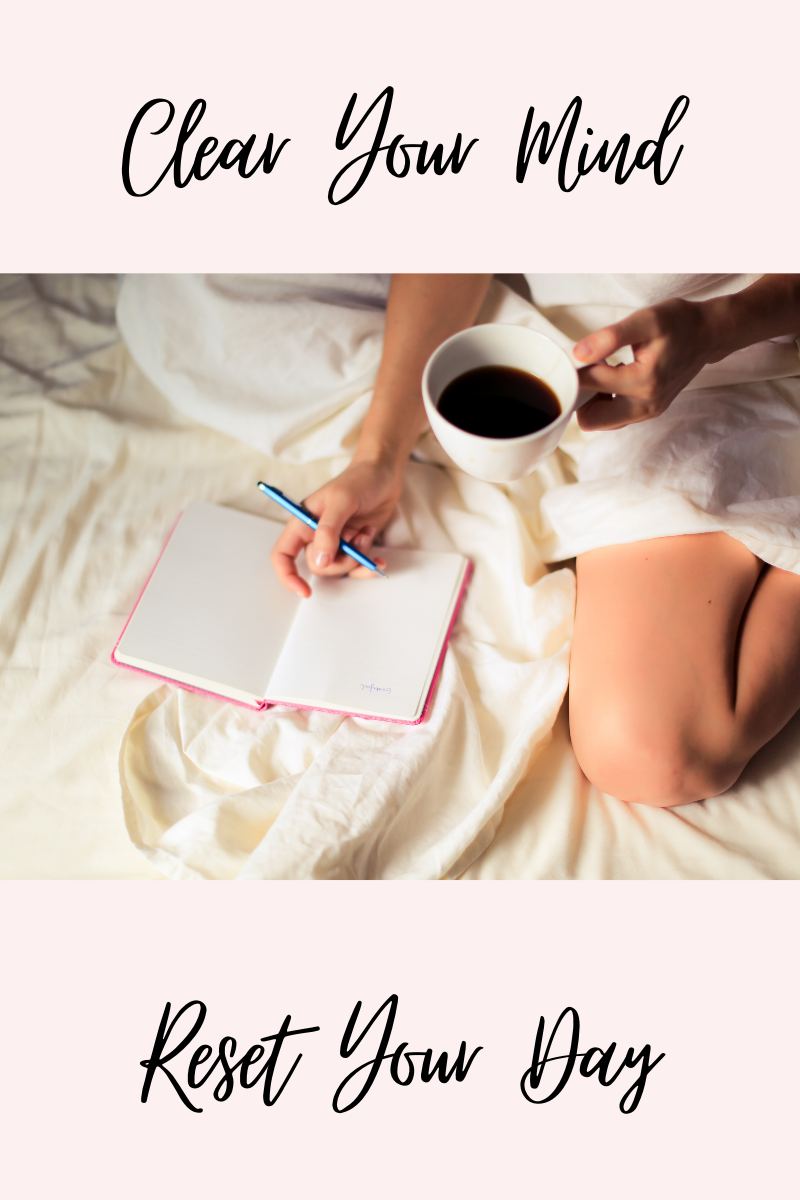
Speaking from experience and as someone who has engaged in this activity, I can honestly say that, for me, this works. After my brain dump, I was able to think clearly and refocus my attention back to more positive, productive vibes.
If journaling is something you’d like to add to your daily routine, I recommend this Lined Journal Notebook as a simple tool to help you get started. With 256 pages and a variety of colors to choose from, it’s perfect to take along for travel, business, work, or school. You can also keep it on your nightstand for a daily brain dump. And if you’re still deciding if journaling is right for you, I’d like to share one more thing that might help you get started.
In his Psychology Today article, “How A Morning Brain Dump Helps You Stay Focused,“author Nir Eyal explains why journaling is an important part of a morning routine. He also suggests that doing a brain dump can help you identify internal triggers and gain the mental clarity needed for greater focus and productivity throughout the day.
What thoughts could be weighing you down right now? Are they causing you to second-guess yourself or revisit old decisions? Writing them down and letting them go can help you organize your thoughts and begin decluttering your mental space—starting today.
Helpful Tools For Mental Clarity
Lined Journal Notebook—Perfect for brain dumps, journaling, or morning check-ins.
Guided Gratitude Journal—Start your day with positive energy and gratitude.
Essential Oil Diffuser—Create a relaxing environment with calming scents.
Blue Light Blocking Glasses—Give yourself a piece of mind, protect your eyes from long screen time.
Step Four: Reset Your Daily Routines & Rhythms
Why Routines Matter
Take a moment to think about your day and how it unfolds from beginning to end—from the moment you get out of bed in the morning to the time you lay your head down at night. How do you choose to start and end your day—and are those choices really working for you?
If not, let me suggest some daily routines that will help you get your life back on track with productivity, organization, clarity, and focus. Let’s begin with a morning routine.

Why A Morning Routine Is Important
Morning routines are an essential part of your day because they set the tone for balance, focus, and productivity. A well-organized routine reduces decision fatigue first thing in the morning by eliminating that “what to do next” feeling. It also creates an opportunity to either establish or get back to your healthy habits, like starting your day with a nutritious breakfast, practicing mindfulness, journaling, moving your body, or simply hydrating with water as part of starting your day with intention.
Resetting your mornings in this way helps reduce stress, improve mental clarity, and set your day in a positive direction — leaving you with a strong sense of accomplishment before the day even begins.
If a morning routine sounds like an inspiring and productive way to start your day, I’d love for you to check out my full blog post on The Perfect Morning Routine: How To Build One That Works For You. You’ll discover how easy it can be to bring structure to your day and operate in a space of clarity.
Build a Mid-Day Reset Routine
Some days can feel long, seeming to slowly drift by—but don’t let days like this drain your momentum. Instead, focus on creating a mid-day reset routine that signals it’s time to refocus your mind and recharge your energy before moving into the second half of your day. This might mean stepping away from your work space to grab lunch rather than opting to eat at your desk.
If you work a nontraditional job or spend your day managing home or school tasks, resetting might look like stepping away for a moment to pause and refresh. Take a few minutes to breathe, stretch, or practice mindfulness before moving on with the rest of your day.
A mid-day reset routine might also look like choosing water and a healthy snack over vending machine chips and soda. You could even take a quick five-to-ten-minute walk to clear your head and renew your energy.
Benefits of a Mid-Day Reset
The benefits of a mid-day reset routine include less stress, more balance, and greater productivity—all the things you need to stay focused, motivated, and aligned with your goals for the rest of the day.
Congratulations—you’ve made it through most of your day! Your morning routine helped you set the tone, your mid-day reset helped you power through the afternoon, and now it’s time to start setting the stage for a relaxing evening wind-down.
Why You Need An Evening Routine
Your day is beginning to wind down—you’ve stayed balanced and productive, and now it’s time to end it with a relaxing evening routine. An evening routine helps you release stress from the day and mentally prepare to unwind.
The benefits are powerful. You’ll reduce stress from the day as you pause to reflect on what worked and what didn’t. Evening routines enhance your focus for the next day, support better sleep habits, and boost your overall sense of well-being. Together, these benefits show why an evening routine is essential—not only for mental clarity and wellness, but also for your long-term health goals.

To fully experience a restful evening, set the tone for your space by keeping it tidy, organized, and comfortable. When clutter is removed, the physical and mental stress it creates begins to fade, making it easier to enjoy your evening without distractions. This relaxing ambiance helps you feel restored and ready to face the next day with calm, clarity, and balance.
If you’re thinking of ways to make your evenings more calm and relaxing, check out my blog post on End Your Day Right: Essential Steps For A Relaxing Evening. Learn simple ways to create evening routines that feel more intentional and enjoyable.
Helpful Tools For Daily Routines
Insulated Water Bottle—Stay hydrated during your morning and mid-day resets.
Yoga Mat—Great for quick morning workouts or daily stretching.
Meal Prep Containers—Ready-made meal options for healthier food choices.
Weighted Blanket—A relaxing evening wind-down ritual promotes a calm vibe.
Calming Herbal Tea—Create a soothing night-time ritual to help you relax.
Create A Weekly Reset Routine To Stay Organized
Simplify your life by choosing specific days of the week to bring order back to your environment. A weekly reset is your own personal way of getting back on track—reducing stress, staying mentally focused, and restoring balance to your week.
Prioritizing just a few routines each week—like meal prep, grocery shopping, restocking household supplies, or catching up on laundry—helps keep your daily life running smoothly and organized. These small habits make a big impact, which is why staying consistent with them matters. Think of them as a weekly reset that creates ongoing balance with better ease and flow.
- Meal Prep
Taking time to prepare meals ahead of time helps you avoid decision fatigue and keeps you from relying too much on fast food. Meal prep gives you the chance to intentionally choose healthier, more nourishing options—supporting balance and well-being throughout your entire week.
- Grocery Shopping and Household Supplies
Your week can fill up quickly—between work, parenting, appointments, and keeping up with the daily demands of running your household. Even small tasks like shopping for groceries and household essentials can be stressful — having to make time to get it done and deciding which days to squeeze it in.
Designating one or two specific days each week to shop for your home can greatly minimize stress, keep you organized, and ensure that your essentials stay stocked with food and supplies. It also provides peace of mind knowing that you’re not overspending on unplanned purchases.

My Practical Suggestion For Groceries: Decide on two balanced meal options each week and plan to stretch them for at least two days. This way, your weekly grocery shopping is made simple and also more affordable. With this approach, two meals can easily stretch into four—making balanced eating on most days more manageable.
- Laundry Day Catch-Up
Laundry is one of those tasks I absolutely hate having to do. I hate thinking about it, and I hate having it hang over my head when I know it needs to get done. The only enjoyable part that’s pleasant about doing laundry is the fresh scent of the fabric softener and laundry detergent.
Although it’s a necessary part of your household upkeep, treat it as such by choosing a set couple of days a week to tackle it and check it off your to-do list.
Weekly Laundry Days
For me, my laundry days are Sunday and Wednesday—the start and middle of the week. This way, I don’t have to worry about tending to dirty clothes over the weekend. I’ve noticed that since I’ve adopted these two days for laundry, I’m washing and drying smaller loads in half the time—making the process a whole lot faster, easier, and a lot less overwhelming rather than trying to get it all done in one single day.
Consider which days you could set aside to stay consistent with this task, so that doing your laundry feels less like a burden and more manageable each week.
Helpful Tools For Your Weekly Routines
Laundry Hampers with Dividers—Simplify your laundry day routine. Simplify your life.
Reusable Grocery Tote Bags—Stay ready for weekly grocery runs with reusable bags.
Pantry Storage Containers—Make cooking easier by organizing weekly essentials.
Cleaning Caddy—Make your cleaning day routines easier by storing products in one place.
Planner or Weekly Calendar Pad—Stay organized. Make your weekly plans easier by writing them down.
Step Five: Your Next Steps Forward
Now that you’ve taken inventory of your life and have identified what works and what doesn’t, you’ve gotten your home life organized and put together, decluttered your mental space, and you’ve reset your daily and weekly routines. The question now is—how will you allow yourself to stay in this space of productivity and forward movement? This is the next part of your journey to getting your life back on track.

Life happens to everyone at some point or another. When it does, don’t look at it as a setback. Instead, focus on the clarity it’s bringing to your situation. It may be life’s way of preparing you to understand that something needs to shift—bringing about change, realization, or awareness.
Getting your life back on track isn’t something you can do all at once. Nothing worth having comes instantly. Instead, take these steps one day at a time—one week at a time, or even one month at a time—without rushing yourself or comparing your progress to anyone else’s. This is your journey, your life, and your path back to where you want to be…or even better.
If you’ve enjoyed these reset-and-rebuild steps for getting your life back on track, let’s stay connected! I share self-care practices to help you reset and re-center your mind and energy, wellness tips for practical and sustainable health goals, and leisure living inspiration to encourage you to slow down and live with intention.
If This Kind of Content Resonates With You, Follow Me Here:
• Find me on Instagram: @theleisureteacherblog
• Join me on Facebook: @TheLeisureTeacherBlog
• Get inspired on Pinterest: @theleisureteacher
You can also subscribe to my “Just Keeping You In The Know” newsletter for more self-care ideas, health and wellness tips, and leisure living inspiration. As a subscriber, you’ll also receive blog previews and motivational quotes to help you through the week.
Just scroll to the bottom of the page, enter your name and email, go to your email to confirm the subscription, and you’re all set!
Let’s reset, rebuild, and live well–together! 🧡
This post contains affiliate links. If you make a purchase through these links, I may earn a small commission at no additional cost to you. Thank you for supporting my blog!