When Exhaustion Is Trying to Tell You Something
Have you ever come home from work so exhausted that even eating dinner feels like too much?
A couple of months ago, I realized something about exhaustion that I didn’t want to admit. Most days, I was coming home from work with no energy to do much of anything. I was too tired to spend quality time with my children and too tired to go on my evening walk or exercise to release stress from the day. Some evenings, I was even too drained to sit and eat dinner with my family, which resulted on a few occasions of skipping my evening meal.
All I wanted to do was come home, avoid conversation, shower, and get in the bed only to wake up the next morning and do it all over again.
What I didn’t immediately recognize was that this wasn’t just me being tired, I was becoming mentally fatigued and subtly drained. Small hints of stress were quietly overtaking my physical and mental capacity while I kept telling myself I was just simply tired from work. And while that was partly true, it wasn’t the full story.

What If This Isn’t Just Exhaustion?
At first, I thought I just needed to push through this feeling and stay the course. But then I started asking a different question, maybe me being exhausted isn’t just exhaustion, maybe it’s information.
And maybe exhaustion has a way of revealing what we haven’t slowed down long enough to fully acknowledge. What I was failing to acknowledge and truly observe was what was going on in and around me.
I’ll explain more about that in a moment, but first, I want you to know this:
When you begin feeling mentally and physically exhausted, use it as information. Pause, assess yourself, and pay attention to what’s happening around you. This is how you learn to develop self-awareness and begin making better decisions for your overall well-being.
That self-awareness becomes especially important when opportunities or responsibilities are presented to you. Before saying yes to anything, take the time to assess yourself, your environment, your energy, and the areas of your life that influence your daily decision-making.
I didn’t fully understand the importance of this until I found myself in a situation where I hadn’t truly taken the time to assess my capacity before saying yes to a new long-term role.
At the time, I was working as a long-term substitute teacher. The role was highly unpredictable. Most days were quite stressful, and my nervous system was often on high alert.
While my long-term subbing position was different from my previous full-time teaching job, it still required a good bit of emotional energy and quick adaptability.
The environment was often chaotic. Because of class size and behavioral needs, there needed to be two teachers present at all times. Even though there was a co-teacher, I was often relied upon to lead each class, which often meant planning lessons with very few resources at my disposal.
As the days went by, I continued pushing through. After all, the assignment was only for three months. But with each passing day, I began to recognize that I was becoming depleted, not only mentally, but physically as well.
Recognizing my depletion was one thing. Acting from that awareness was entirely different, and I was about to learn that lesson again in real time.
The Capacity Mistake: What Was I Thinking?
I had finally reached the last week of my three month long subbing assignment. Within the same week, I attended my last weekly team meeting with three other teachers who were on my team. As soon as the meeting was over, one of the other teachers approached me and said that she was preparing to go on maternity leave. She mentioned that she’d love for me to sub for her in her absence.
However, despite how mentally exhausted and physically depleted I had been feeling, I immediately told her yes, I would do it. What was I thinking? Maybe it was because she said that she’d heard that I had done a great job subbing for another teacher who was also out on maternity leave.
I knew without a doubt I could take over her class and maintain the order and structure she was hoping for while she’d be out, but what I didn’t take into consideration at that moment was that even though I knew I could do it, my capacity for it was just not there.
I completely disregarded my feelings and quickly asked for a meeting with the assistant principal to discuss the opportunity.
At the time, it felt responsible. It was the next logical step in the process. But looking back, I didn’t give myself enough time to fully assess my capacity for the position.
Was I signing up for something my body was already struggling to carry?
I had a meeting with the principal and everything was on track for me to take the assignment. On paper, it worked. But the next day, the weight of that position began to settle in on me. I started having second thoughts about fulfilling the obligation.
The day felt chaotic. Students were unusually rude and disrespectful. The stress felt amplified. And in the middle of all of that, I started to silently question myself about asking for another long-term assignment. I went home feeling heavy.

As soon as I got home, I went up to my bedroom and sat with it for a while in silence. I prayed and asked for clarity. Not even five minutes later, I received a call from the assistant principal. Something had fallen through and they no longer needed me for the long-term sub position. But he did, however, say that I’d be the first to receive a call as other assignments become available. I told him thank you for letting me know and also for considering me.
I can’t even begin to describe the relief I felt in that moment. I wasn’t disappointed, angry, or upset. I was free from taking on a responsibility I really didn’t have the capacity for. The heaviness lifted immediately. What felt like the responsible thing to do was actually something I wasn’t prepared to carry at the time.
And when the opportunity fell through, it meant I could return to regular subbing with far more flexibility and control over my day-to-day schedule.
This moment reminded me that sometimes, what falls through isn’t a setback — it’s actually protection. We often try to control outcomes, but there are times when life quietly redirects us right before we commit to something that we’re not quite ready to handle. And in those moments, we’re encouraged to see things differently — not with frustration but with clarity.
Not every closed door is a loss. Sometimes, it’s a win that preserves your peace. And when we move too quickly before giving ourselves enough time to assess before accepting, life has a way of stepping in and slowing us down for our own good.
We don’t always recognize protection when it first shows up. It can feel like disappointment, or an interruption of some sort. Sometimes, redirection is protecting you — and exhaustion is guiding you toward making better decisions.
And sometimes, relief is the confirmation you didn’t realize you needed.

Choose Clarity Before Commitment
Not every decision arrives without warning. Sometimes we can see an opportunity, responsibility, or major commitment approaching long before we’re asked to accept it. When those situations begin to present themselves and you’re unsure which direction to take, it can be helpful to start assessing the important areas of your life ahead of time.
That way, when the moment comes to make a decision, you can say yes or no with confidence and without hesitation.
Assessing ahead of time allows you to respond from a place of calm, clarity, certainty, and greater self-awareness rather than from a place of pressure, urgency, and emotional exhaustion.
Before accepting new obligations or adding more to what’s already there, I’ve learned that there are four important areas to assess before fully committing to everything a “yes” may require of you. Whether it’s a job opportunity, new commitment, responsibility, relationship, or major life decision, you owe it to yourself to pause, honestly assess where you truly are right now—not where you hope or expect to be later—and make decisions from that place.
Give yourself the grace to allow your present capacity to guide your future decisions.
Assess Before You Accept
- Assess Yourself
Before you answer or make a rushed decision, assess yourself first.
Assessing yourself may sound complicated but in reality, it simply means slowing down long enough to ask yourself a few honest questions and determine what is currently happening within you:
- How do I truly feel at this moment?
- What is my current mental, physical, and emotional capacity?
- Am I self-aware enough to make the best decision possible for myself at this time?
Assess yourself from where you truly are. Becoming self-aware means paying attention to your thoughts, your mental clarity, and how you are showing up physically and emotionally.
When you begin to honestly recognize those things, you place yourself in a better position to make more thoughtful and well-aligned decisions for your life.
Make it a priority to arrive at your decisions from that perspective — not from the version of yourself you hope to be later, and definitely not from pressure, guilt, or a rushed “yes.”
Because sometimes, we don’t need more discipline, we need more awareness — and awareness is often what protects our energy and our peace. The more aware you are, the easier it becomes to make the right decisions for yourself, your circumstances, and your commitments.
When you learn to:
- Pause before committing
- Assess your thoughts and feelings honestly
- Practice self-awareness by noticing when relief is trying to tell you something
You begin moving through your decisions with more clarity, focus, structure, and confidence.
Just because you are capable of doing something does not always mean you have the capacity to carry it. Your capacity is allowed to be the deciding factor in the choices you make. 💛
2. Assess Your Environment
Your environment often shapes the way you feel, how you think, and sometimes, how you see yourself. When it’s time to make an important decision, it helps to look beyond the opportunity, responsibility, or commitment itself, and honestly consider what is happening around you as well.
What’s happening around you is your environment, and it has the ability to influence how you respond to the decisions you make — whether positively or negatively, hastily or thoughtfully.
Your environment has many different layers. It’s not just the four walls of your home. It includes your physical surroundings, your work setting, your family and personal responsibilities, and whether or not you have support systems to help lighten the loads of daily living.
Assess Your Physical Environment
- Is your home environment supporting or draining you?
- Is your environment creating chaos and overwhelm, or calm and order?
- Are you able to organize and declutter your space for clearer thinking?
Evaluate Your Work Environment
- Is your workload manageable, or does it feel overwhelming?
- Are you excelling and growing in your work environment, or are you only surviving in it?
- Are your work hours flexible enough to comfortably add another commitment or responsibility?
- Are you carrying work-related stress home with you mentally, emotionally, or physically?
Reflect on Family and Personal Environment
- What does your family need the most from you right now?
- Are you already overwhelmed with current family obligations?
- Are you able to continue putting your family first if you take on another responsibility?
Consider Your Support Environment
- Do you have a strong support system of friends and family?
- Are there people in your life you can honestly rely on when things become overwhelming?
- If you took on another commitment, would you have the support you need to manage it well?
What I have come to realize is that your environment is very important because it greatly influences your thoughts, behaviors, and decisions every single day.
Assessing your environment may be one of the most thoughtful things you can do to gain a clearer perspective on where you are right now, what you’re trying to accomplish, and whether a particular opportunity, responsibility, or commitment is truly a good fit for your life.
Before making any major plans, ask yourself: How is my environment shaping my decisions?
From that place of awareness, you’ll be better equipped to recognize what is really happening around you and make decisions that align with your current capacity, priorities, and overall well-being.

3. Assess Your Energy
Your energy determines your capacity. Your capacity is the amount you can realistically carry without compromising your well-being.
When you become self-aware enough to recognize the highs and lows of your energy levels and the factors contributing to them, you’ll be better equipped to assess your capacity and make decisions from a place of clarity rather than from overwhelm or exhaustion.
Assessing your energy is one of the most overlooked parts of decision-making. When was the last time you heard someone say, “Before I make this decision, let me check in with my energy levels first”? The truth is, that’s exactly what we should be doing when we’re faced with a new opportunity, responsibility, or major decision that could change the rhythm of our daily lives.
Making a conscious effort to check in with your energy provides valuable information about what you can realistically sustain. When you’re willing to pay attention to what your energy is telling you, you’re better able to make decisions that support your capacity as well as your overall well-being.
To help assess your energy before saying yes, ask yourself these three questions:
- What restores my energy and what is draining it?
- What is my current capacity — physically, mentally, and emotionally?
- Do I currently have the energy and capacity to take on one more responsibility?
4. Assess Your Overall Well-Being
Saying yes to something without fully assessing the cost can have a significant impact on your overall well-being. When you say yes, you’re unintentionally saying no to something else. Your peace of mind, quality time with friends and family, and even your own personal needs can easily begin to take a back seat when you agree to things without first considering the impact they’ll have on your overall well-being.
An opportunity may sound right and even feel exciting in the moment, but when you step back and look at the bigger picture, you may realize that it isn’t what you need right now.
When you’re considering a new opportunity, responsibility, or major decision, pause first and assess your overall well-being with these three questions. As you answer them, pay attention not only to your responses but also the emotions they bring to the surface.
- How will this decision affect my overall well-being?
- Will this decision bring me closer to the life I want to have or will it take me farther away from it?
- Will I still have the time and energy for the people and priorities that matter most?
Life moves fast, and sometimes we may feel pressured to arrive at an answer before we’ve had time to fully process what saying “yes” might actually require from us mentally, emotionally, and physically.
That’s why it’s important to check in with yourself often so that when situations arise unexpectedly, catch you off guard, or you see them coming your way, you’re better able to assess before you accept any opportunity, commitment, or responsibility from a calm and grounded place.
What is truly meant for you will not require you to sacrifice your well-being to receive it.
Allow your present capacity to guide your future decisions…This is the power of learning to Assess Before You Accept.
If this message resonated with you — if you’re learning to slow down, reassess, and protect your peace — let’s stay connected.
• Find me on Instagram: @theleisureteacherblog
• Join me on Facebook: @TheLeisureTeacherBlog
• Get inspired on Pinterest: @theleisureteacher
• Subscribe to my ‘Just Keeping You In The Know’ Newsletter
I share reflections on self-care, practical wellness habits, and leisure living inspiration to help you make intentional decisions, reset your daily routines, protect your well-being, and create more balance in your everyday life.
Subscribers receive gentle blog previews, encouragement, and practical reminders to move through life with greater clarity and balance. I’d love to have you join me.
Let’s reset, rebuild, and live well–together! 🧡
Resources for Your Reset
Now you’re ready to put this framework into practice. The following resources are designed to help you slow down, reflect, and make more intentional decisions before saying yes.
Whether you’re working through an important decision, organizing your daily schedule, or seeking greater clarity before moving forward, these tools can support you as you assess yourself, your environment, your energy, and your overall well-being.
Reflection Journal–Writing down your thoughts and feelings can help you gain greater clarity before making important decisions.
Journaling allows you to create space for reflection and emotional awareness. This simple, yet powerful tool allows you to put into practice the Assess Before You Accept framework.

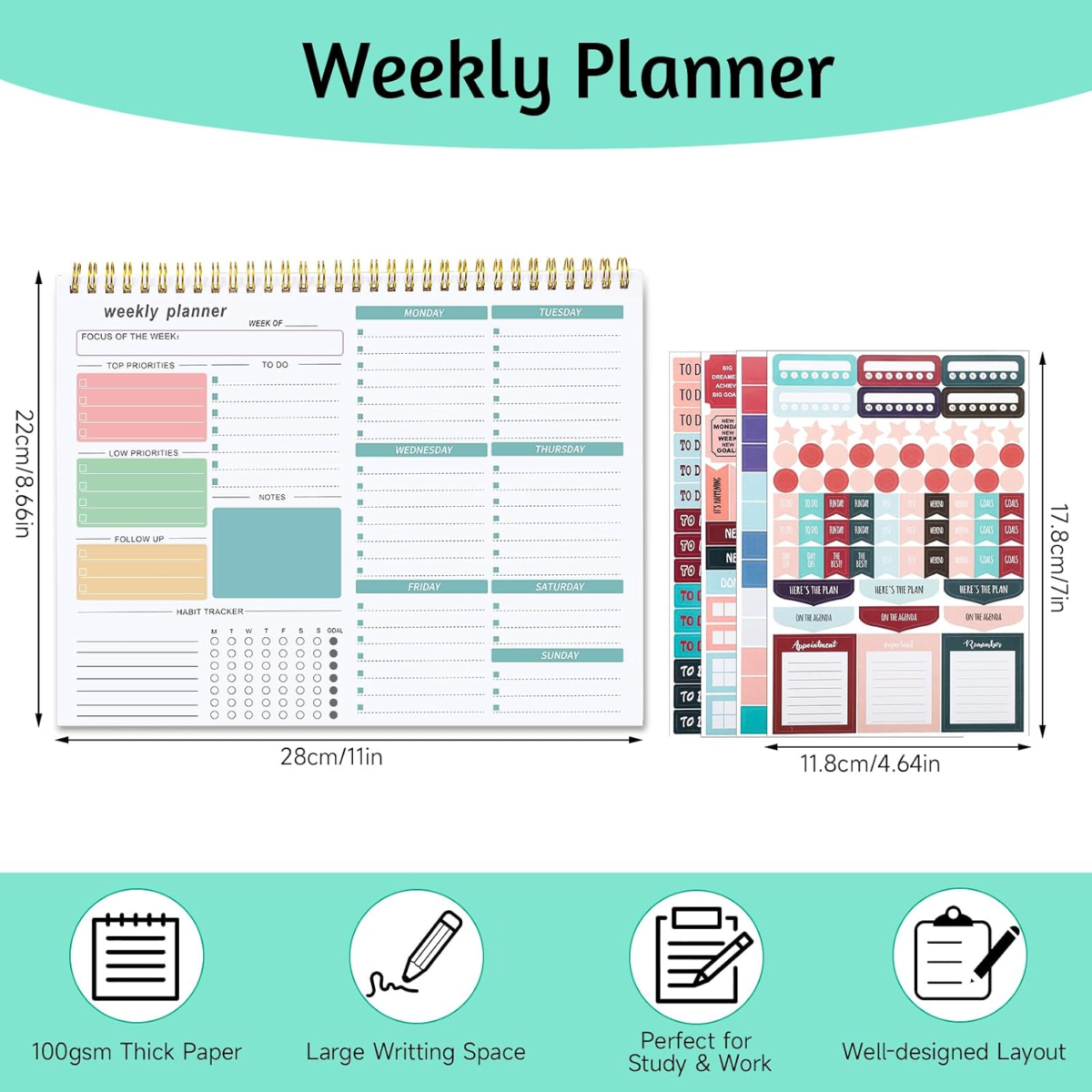
Planner or Calendar– Planning your days and weeks will you assess your schedule and determine whether you truly have the time and capacity to take on additional commitments and responsibilities.
Herbal Tea–In those fast moving, chaotic moments when you feel like you need to pause, organize your thoughts, and set clearer intentions, a soothing cup of herbal tea can become part of a calming routine to quiet your mind and make thoughtful decisions.

Calming Scented Candle–Settle your mind and set your mood and atmosphere with a calming aromatic candle. Create a gentle space for reflection, relaxation, and soothing thoughts to help you Assess Before You Accept.

Weighted Blanket–Sometimes a cozy little corner, a calm atmosphere, and relaxing vibes are all you need to center yourself and make better decisions. Take time to slow down, reset your mind, and refocus your thoughts before making any major decisions or commitments.

As an Amazon affiliate, I earn from qualifying purchases. This means that if you purchase through one of the links, I may earn a small commission at no extra cost to you.
I only recommend products that I believe can genuinely support your journey toward greater self-care, wellness, and more intentional living. Thank you for supporting The Leisure Teacher!